by: Jordan Ashby
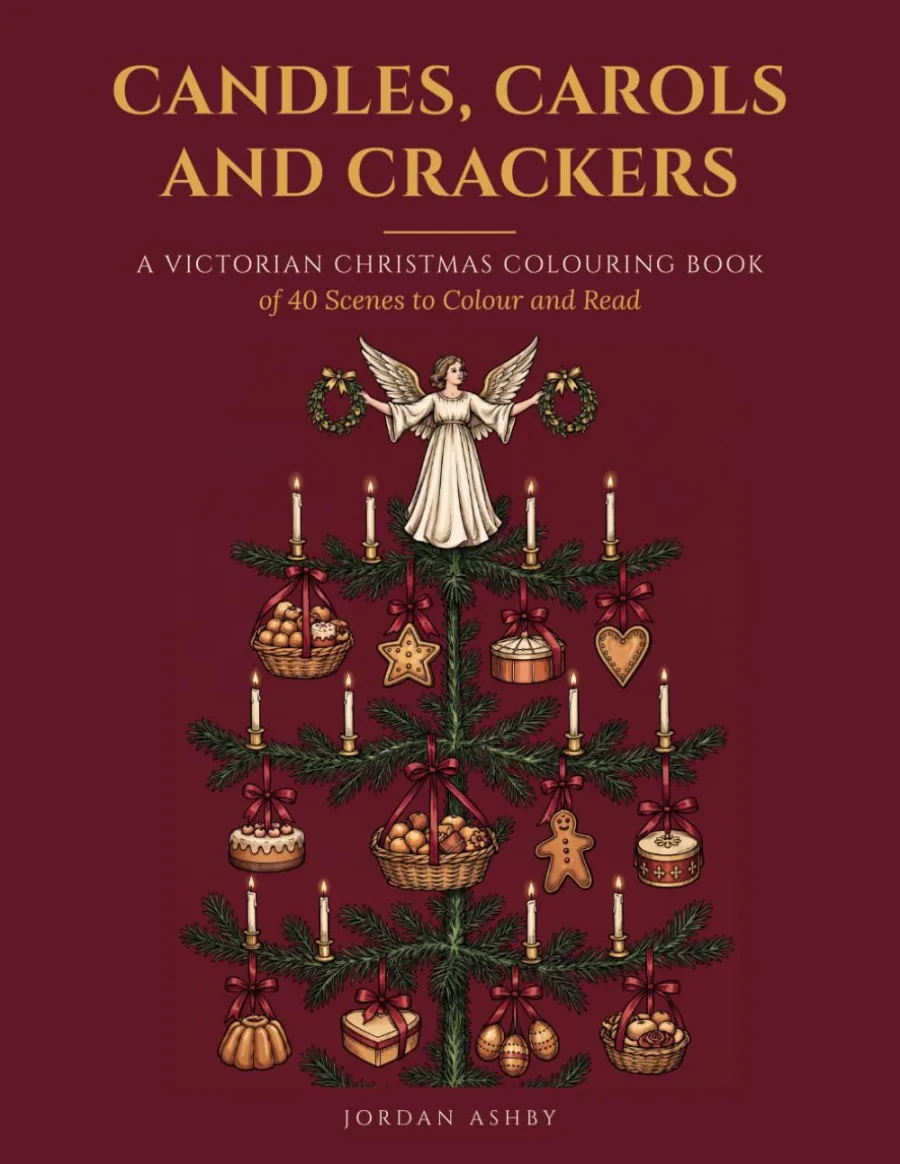
Candles, Carols and Crackers
A Victorian Christmas Colouring Book of 40 Scenes to Colour and Read
Share this book
Free sample pages
Colour four Victorian Christmas scenes
Real pages from the book, free to print. Try them and you’ll know if the book is for you.
- The Royal Tree at Windsor, 1848
- Mrs Beeton’s Plum Pudding
- The Christmas Stage Coach
- Marley’s Face in the Knocker
Check your inbox
Click the link in the email and your pages open straight away. If it hasn’t arrived in a few minutes, check your spam or promotions folder.
Sent to
First you’ll get one email to confirm your address. Click the link in it and your pages are ready to download.
Details
- Format
- Paperback
- Pages
- 96
- Size
- 8.5 × 11 in
- Language
- English
- Store
- Amazon.co.uk
- Shelf
- Colouring books
About the book
Colour the Christmas the Victorians made, and read the true story behind each scene.
Forty scenes of the British Christmas, from Queen Charlotte's candlelit tree to Scrooge's prize turkey, each drawn as a full-page picture to colour. Facing every picture is a short page that tells you where the custom came from and names the old book, newspaper or carol that describes it.Light the tapers on the royal tree of 1848. Post one of Henry Cole's first Christmas cards. Carry in Mrs Beeton's plum pudding with its sprig of holly and play blind man's buff at Dingley Dell. Hear the waits by moonlight and find Marley's face in Scrooge's door knocker.
What's inside:
- 40 full-page illustrations in four parts: The New Christmas, At Table and at Play, Old Customs and Carols, and A Christmas Carol
- A story page facing every picture, with the period source named at the foot
- 4 pattern pages: a Christmas card border, holly and ivy, mistletoe and evergreens, and sweets and tapers
- A timeline of the Victorian Christmas, from 1800 to the Drury Lane pantomimes of the 1880s
- A colour test page to try your pencils and pens first
- 96 pages, 8.5 x 11 inches
Large pages, period scenes and clear, closed outlines with no grey shading. Each picture has a page of its own: never spread across two pages, never printed on the back of another picture.
Told as history
The stories come from Charles Dickens, Washington Irving, Mrs Beeton, the Illustrated London News and three carols still sung today. Where a favourite tale is only a legend, such as Prince Albert bringing the first Christmas tree to Britain, the page says so.
Who it's for
Adults who love an old-fashioned British Christmas, Dickens and social history, and anyone looking for a present for a parent or grandparent who enjoys colouring.
Choose a scene and start colouring.
Questions and answers
What’s inside Candles, Carols and Crackers?
40 full-page scenes of the British Christmas, each facing a short page with the story behind it and the period source. They come in four parts: The New Christmas, At Table and at Play, Old Customs and Carols, and A Christmas Carol. There are also four pattern pages, a timeline from 1800 to the Drury Lane pantomimes of the 1880s and a colour test page. 96 pages, 8.5 x 11 inches.
Is it a British Christmas or an American one?
British: scenes from Dickens’s London, Windsor and the countryside.
Are the stories true?
They come from Charles Dickens, Washington Irving, Mrs Beeton, the Illustrated London News and three carols still sung today. Where a favourite tale is only a legend, such as Prince Albert bringing the first Christmas tree to Britain, the page says so.
Is it a large print colouring book?
No. The pages are large and the outlines clear, but the scenes are detailed. Each picture has a page of its own and none is printed on the back of another.
Who is it for?
Adults who love an old-fashioned British Christmas, Dickens and social history, and anyone looking for a present for a parent or grandparent who enjoys colouring.
A look inside
Forty Victorian scenes to colour, each with its true story
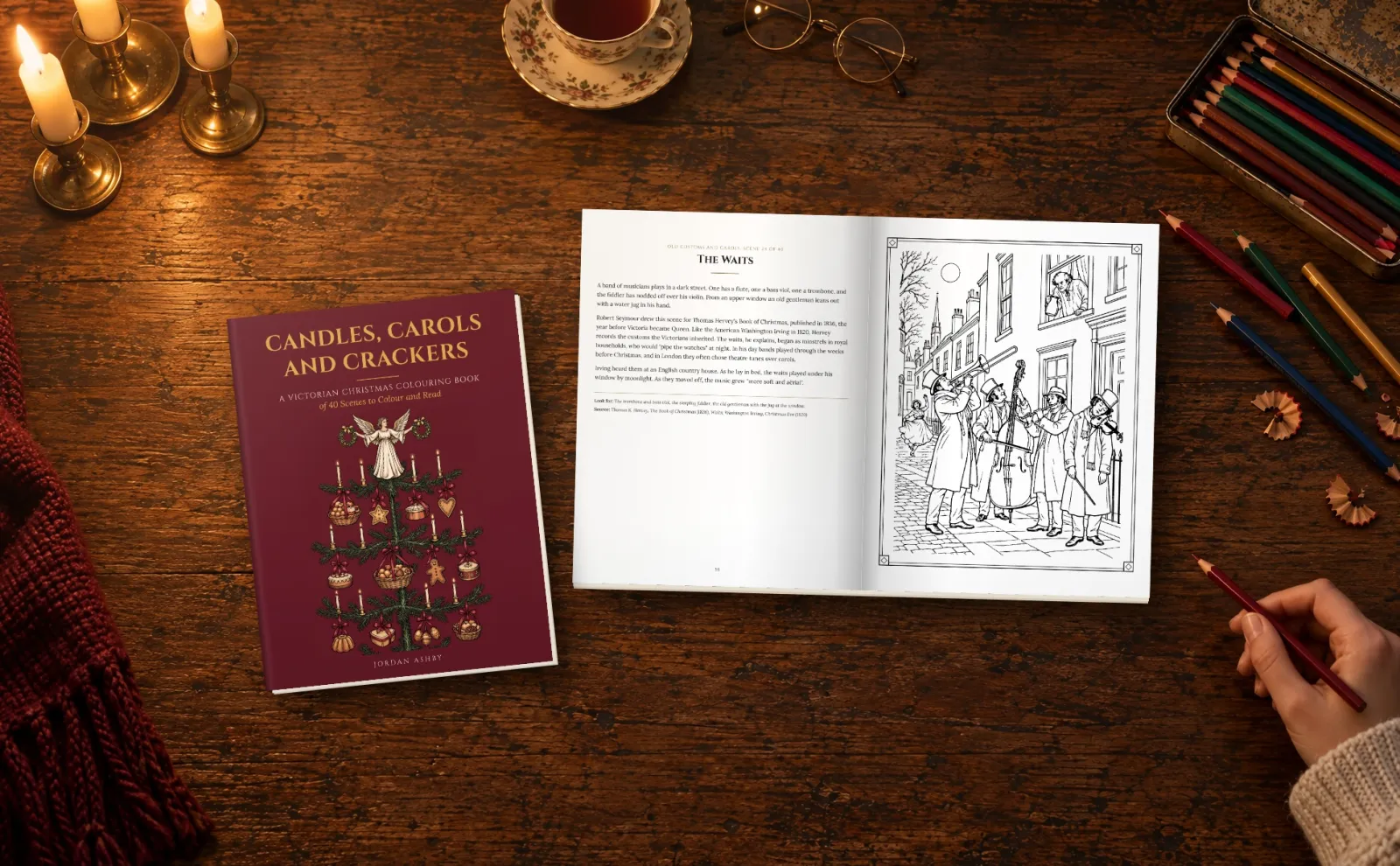
Each picture has a page of its own. Facing it, a short story tells you where the custom came from and names the old book, newspaper or carol that describes it. Light the tapers on the royal tree of 1848, post one of Henry Cole’s first cards, hear the waits play by moonlight and find Marley’s face in Scrooge’s door knocker.
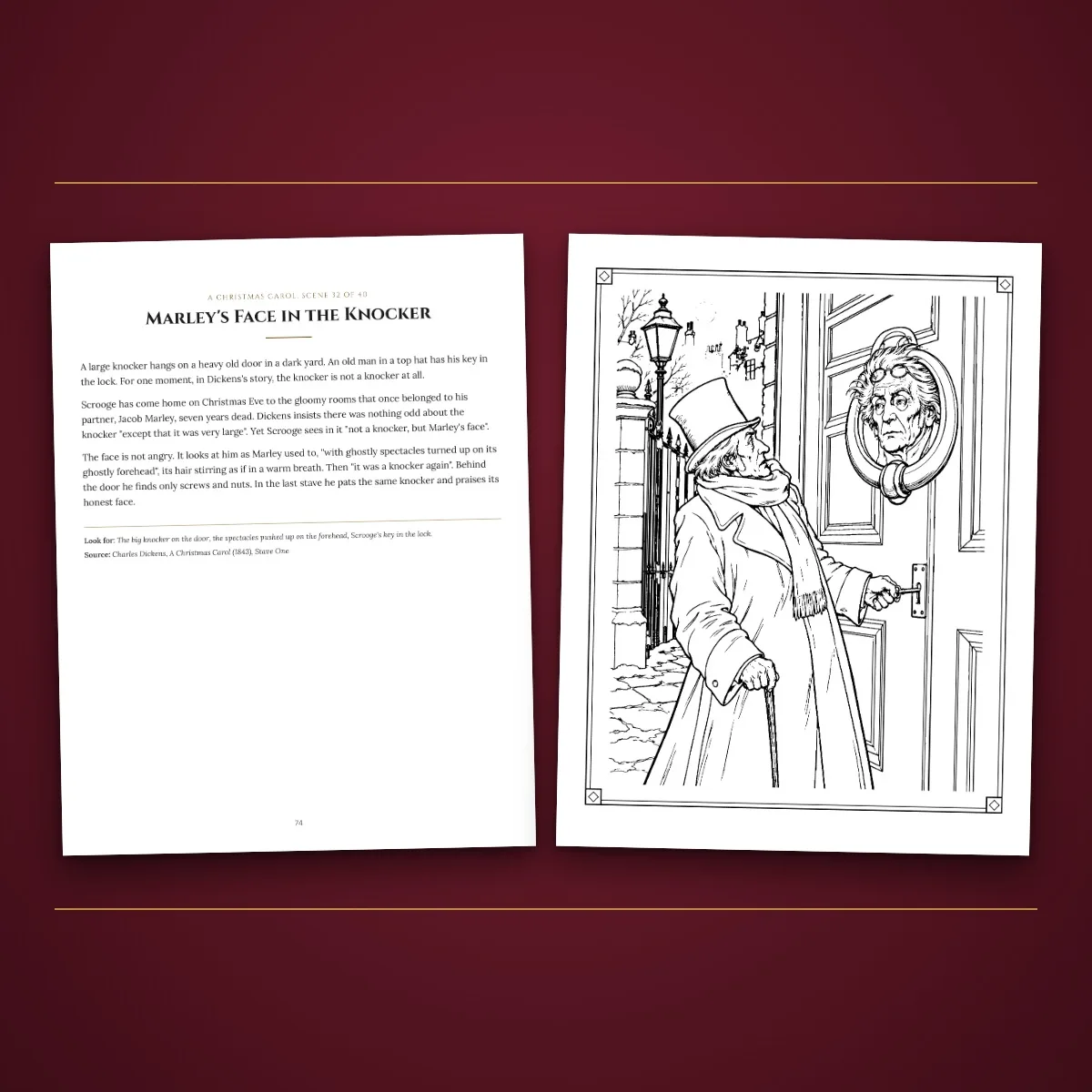
A story on the left, a picture on the right
Every scene takes two pages. On the left, a short page tells the story behind it, quotes the period source and ends with a few things to look for in the drawing. On the right is the picture to colour. Where a well-loved tale is only a legend, the story says so. No picture is spread across two pages, and none is printed on the back of another. This is scene 32, from the first stave of Dickens’s ghost story of 1843.
Inside the book
-
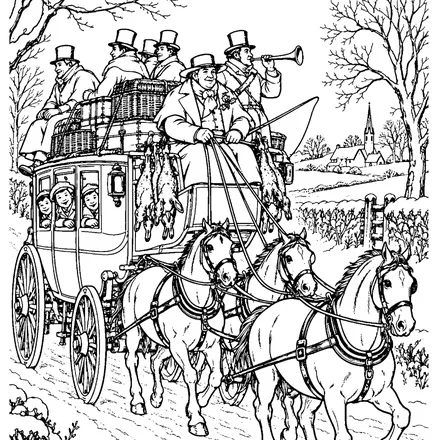
Forty scenes
Full-page pictures in four parts, from royal trees and plum puddings to Dickens’s ghosts, with clear outlines and no grey shading.
-
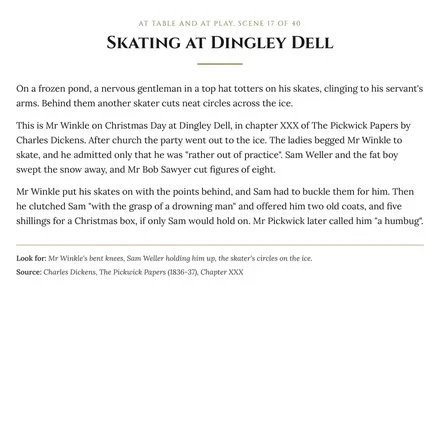
The story behind it
Each picture faces a short history page, with the old book, newspaper or carol it comes from named at the foot.
-
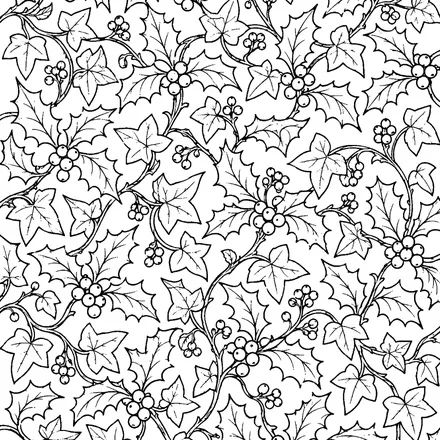
Four pattern pages
A card border, holly and ivy, mistletoe and evergreens, and sweets and tapers, each with a short note on where it comes from.
-
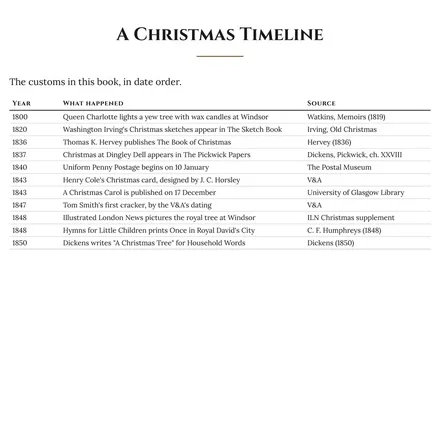
A timeline
At the back, the customs in date order, from Queen Charlotte’s tree in 1800 to the Drury Lane pantomimes of the 1880s.
Compare the books
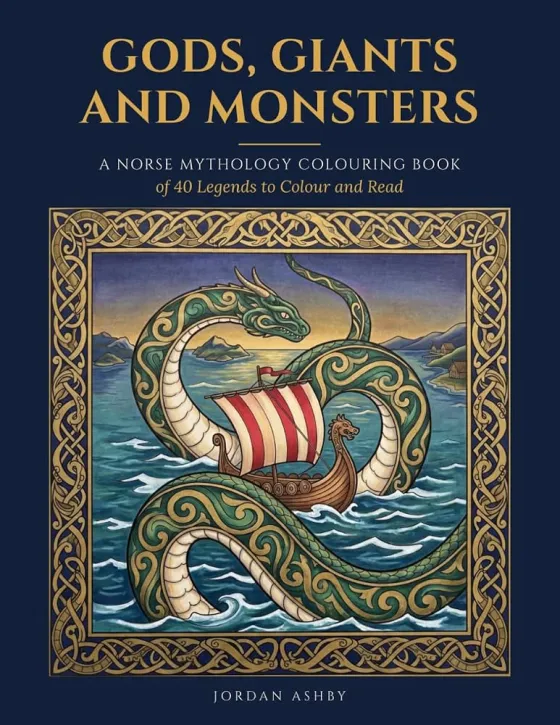
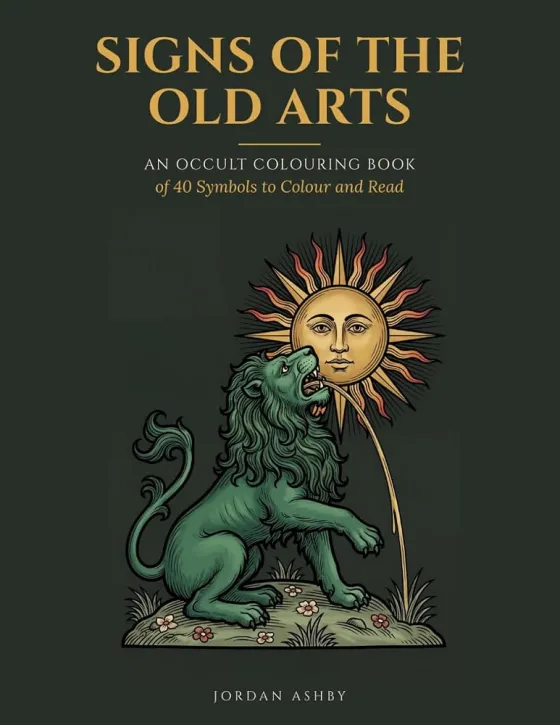
This book 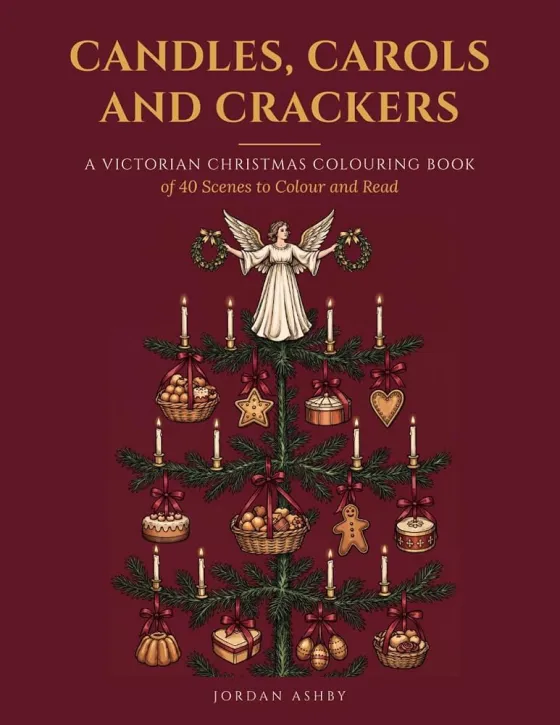 Candles, Carols and Crackers | Gods, Giants and Monsters | Signs of the Old Arts | |
|---|---|---|---|
| The subject | Victorian customs, carols and Dickens | Norse myths, gods and giants | Alchemy, tarot, astrology and folk magic |
| Pictures to colour | 40 full-page scenes | 40 full-page legends | 40 full-page symbols |
| Facing each picture | The true story and its source | The myth, retold, with its source | The symbol’s history and its source |
| Pattern pages | Four | Four | Four |
| At the back | A timeline, 1800 to the 1880s | A guide to saying 59 Norse names | A table of 31 old signs |
| Colour test page | ✓ | ✓ | ✓ |
| No picture on the back of another | ✓ | ✓ | ✓ |
| Format | 96 pages, 216 x 279 mm | 96 pages, 216 x 279 mm | 96 pages, 216 x 279 mm |
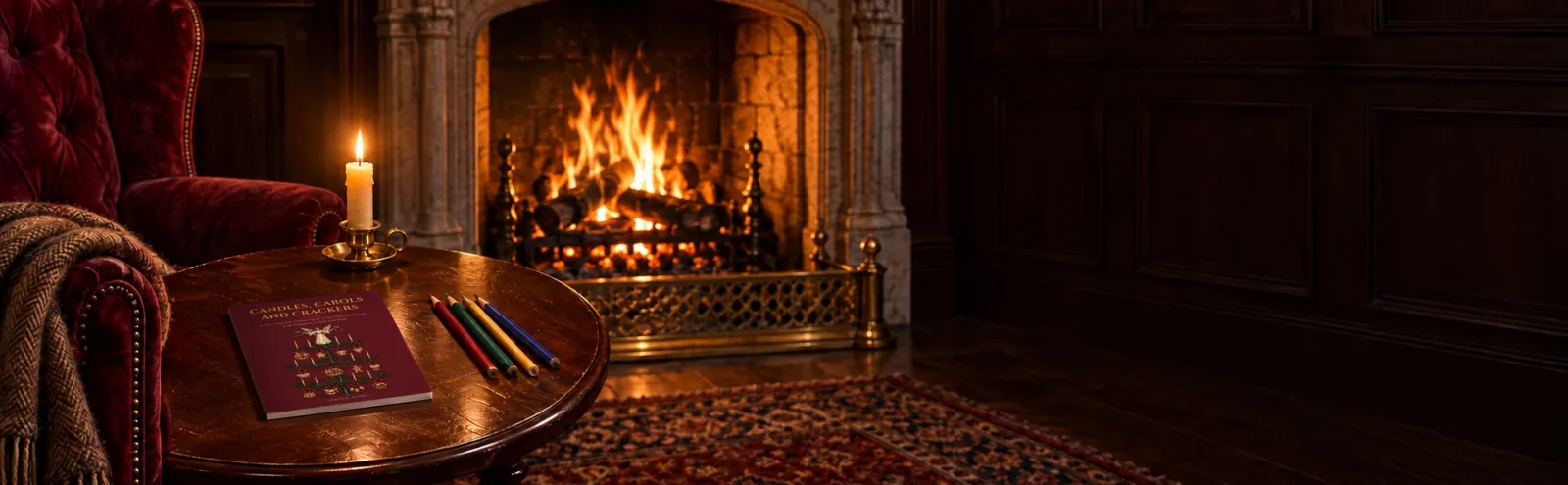
Read the story, then colour the scene
The pages are large, 216 x 279 mm, and there is a colour test page at the front to try your pencils and pens. If you use markers, slip a sheet of paper behind the page you are colouring.